
How to Pick Writing Paper: GSM, Bleed and Finish

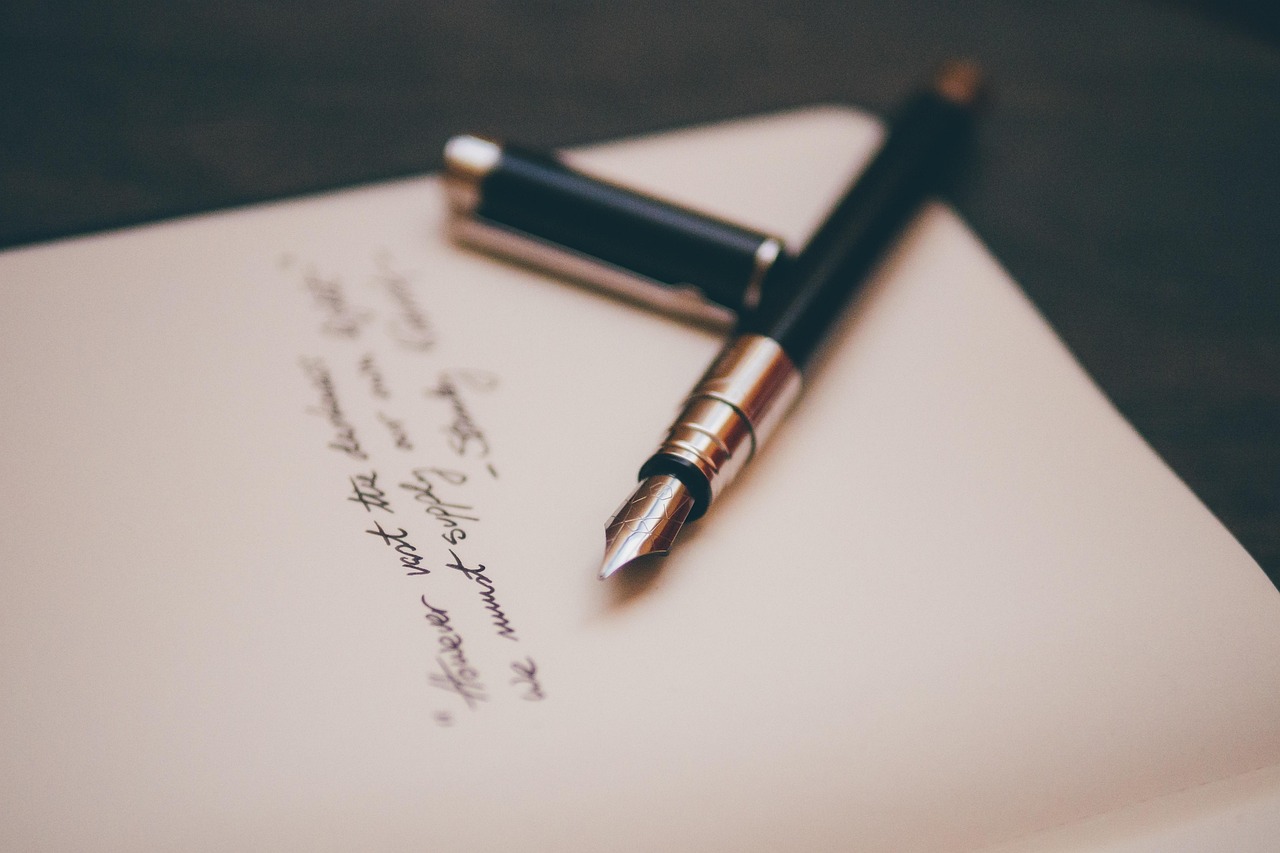
Most letter sets are sold on how they look. What decides whether you enjoy writing on them is the paper itself, and that comes down to three numbers you can check before you buy.
Weight (GSM)
Grams per square metre is the paper’s weight. Thin copier paper is around 70–80 GSM. Letter paper worth using starts near 100 GSM and the better sets sit at 110–120 GSM. Below 90 GSM a gel or fountain pen will show through the back of the sheet, which matters if you are writing on both sides.
Bleed and feathering
Bleed is ink soaking through to the other side. Feathering is ink spreading sideways along the fibres so letters look furry. A smooth, well-sized sheet resists both. If a listing says no bleed, that claim is only meaningful alongside a GSM figure — ask for both.
Finish
Smooth (wove) paper suits fountain pens and fine tips. Lightly textured (laid) paper feels better under a ballpoint and hides small imperfections in handwriting. Coloured or patterned borders are decoration, not a quality signal.
Matching the envelope
A set is only convenient if the envelopes fit. A 5.5 x 7.5 inch sheet folds once into a standard C6-ish envelope; a full A4 sheet needs folding twice or a DL envelope. Buying paper and envelopes separately usually means one of them is the wrong size.
If you are buying a set as a gift, err towards heavier paper and unlined sheets — they suit more hands than a fixed rule spacing does.