
Writing a Letter Someone Actually Keeps

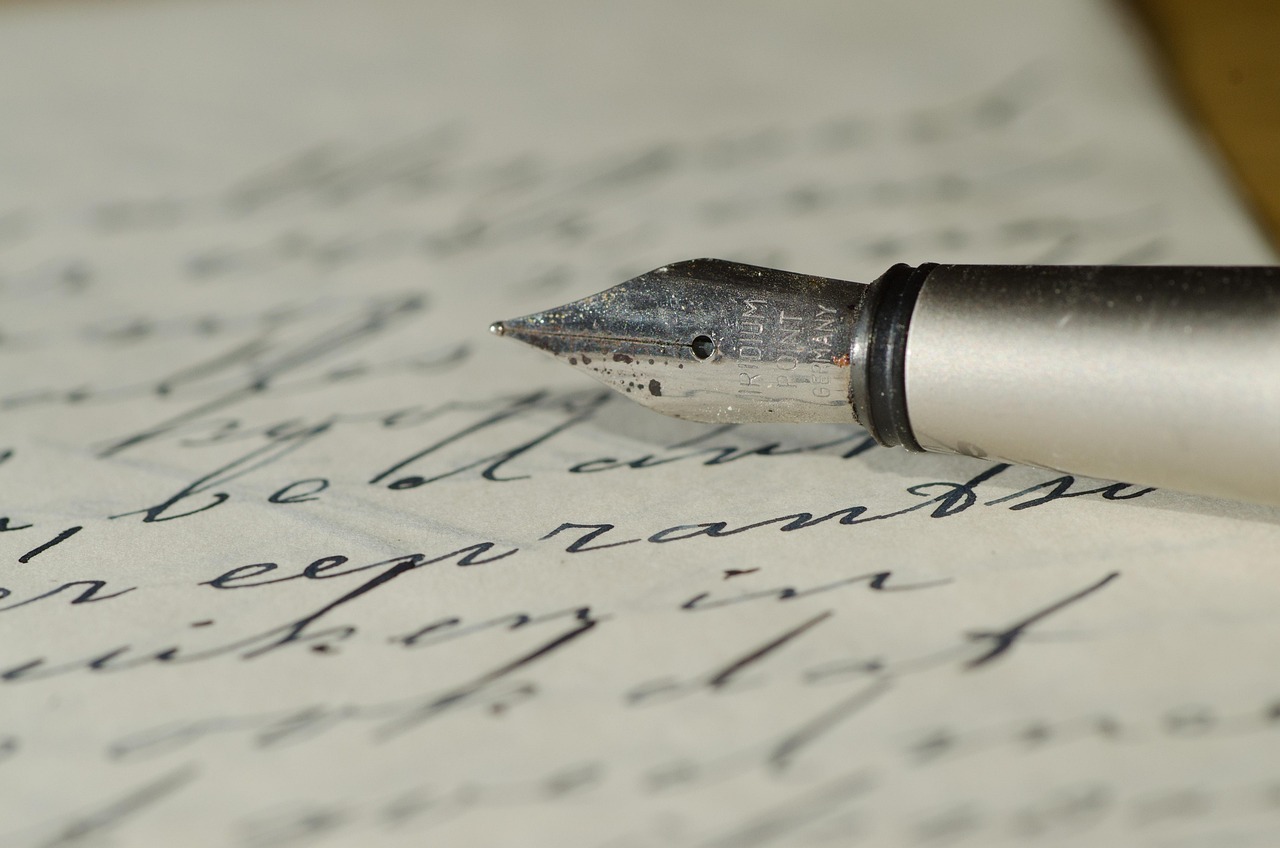
A letter survives because of what is in it, but the physical thing helps. A few habits make the difference between a page that gets read once and one that stays in a drawer for years.
Write for one person
The strength of a letter over a message is that it is not broadcast. Name the specific thing — the meal, the delay at the station, the thing they said that stayed with you. Detail is what makes it worth keeping.
Give yourself room
Unlined paper lets the writing breathe; lined paper keeps it neat if your hand wanders. Neither is better. What matters is not cramming: leave a margin, and start a new sheet rather than writing up the side.
Ink and paper have to agree
Fountain pens need smooth, well-sized paper or the ink feathers. Gel pens want a heavier sheet or they bleed through. Test one line on the back of the last sheet before you commit to the first.
Finish it properly
Date it. In ten years the date is the part that turns a nice note into a record. Address the envelope before you fold the letter, while your hand is still steady, and use a sticker or seal if the set came with one — it is the first thing they see.